

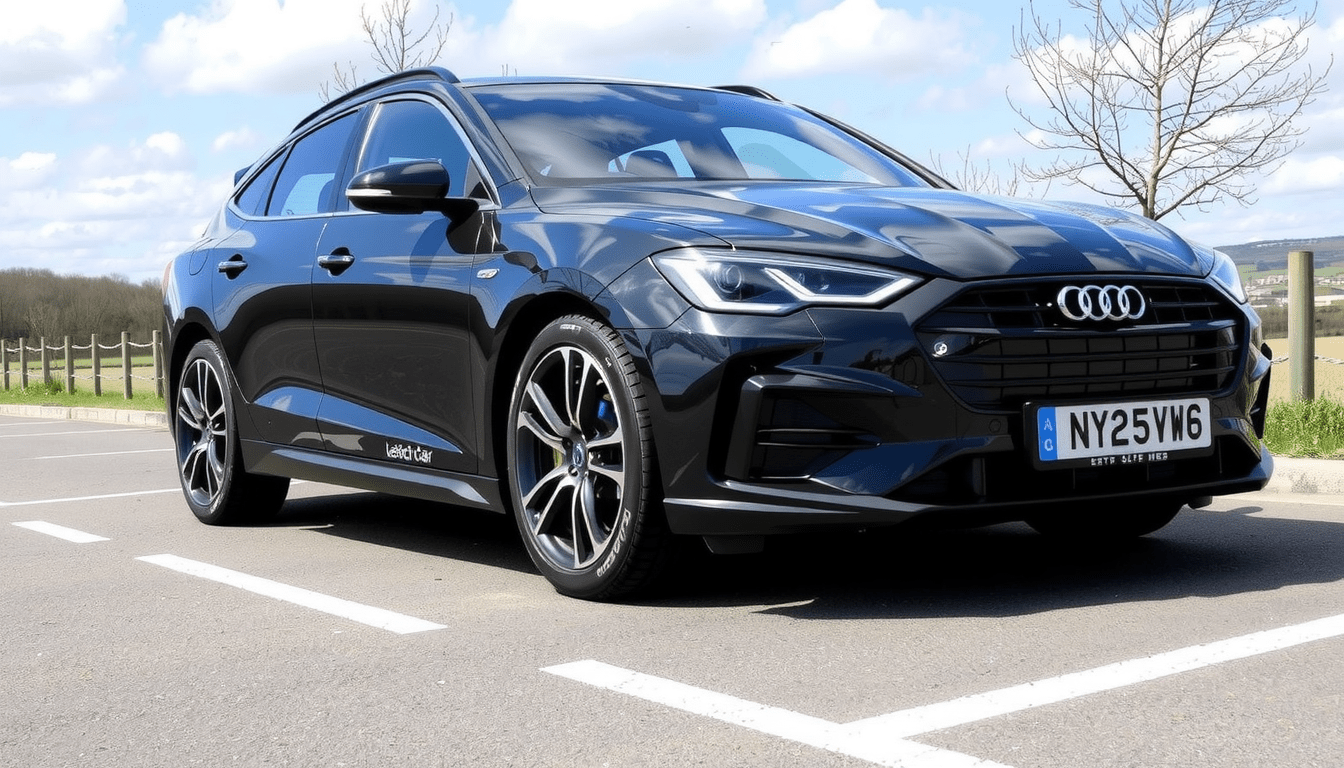
The Booming EV Market Britain: Why Electric Cars Are First Choice
Britain’s roads buzzed with a quiet revolution. Electric vehicles surged ahead. Registrations jumped 25.7% in 2025. Now over 970,000 roam the streets. What started as toys for trailblazers crashed into daily routines. Folks everywhere swapped their gas guzzlers. The shift felt electric. Raw. Drivers. Parents. Companies. All reshaping life behind the wheel.
Fate played no part. Batteries doubled their reach in half a decade. Charging stations popped up in villages and cities alike. Smiles spread as owners bypassed fuel lines, cash safe in pockets. By 2030, no fresh petrol or diesel cars allowed. That push mattered. Yet drivers chose EVs because they just worked. Seamlessly. This story digs into the numbers driving the frenzy. And maps the twists ahead on Britain’s tarmac.
The Battery Revolution That Changed Everything
Five years ago, owners faced grim choices: tiny ranges or wallet-busting costs. Those days vanished. Modern batteries stretch 300 to 400 miles per charge. Tesla flagships, Mercedes beasts, BMW stars push beyond 450. The Nissan Ariya landed in Britain in 2023. Its base version manages 255 miles. Top versions glide over 340. Figures that swallow 95% of typical drives—most under 40 miles a day.
Prices crashed 89% since 2010. Down from $1,200 per kilowatt-hour to $130 in 2024. Car stickers followed suit. Tesla Model 3 Standard Range listed at £47,990 back in 2020. Today it sits at £38,490. Families snag luxury wheels. Volkswagen ID.3, tuned for Europe, starts at £29,995. Dead even with gas competitors.
Durability clinched it. Eight-year guarantees. Or 100,000 miles. Tests show batteries cling to 80-90% power after 200,000 miles. Renault even leases packs separately on certain UK models. No resale headaches. Doubts evaporated. Going electric turned rock-solid. Pure certainty.
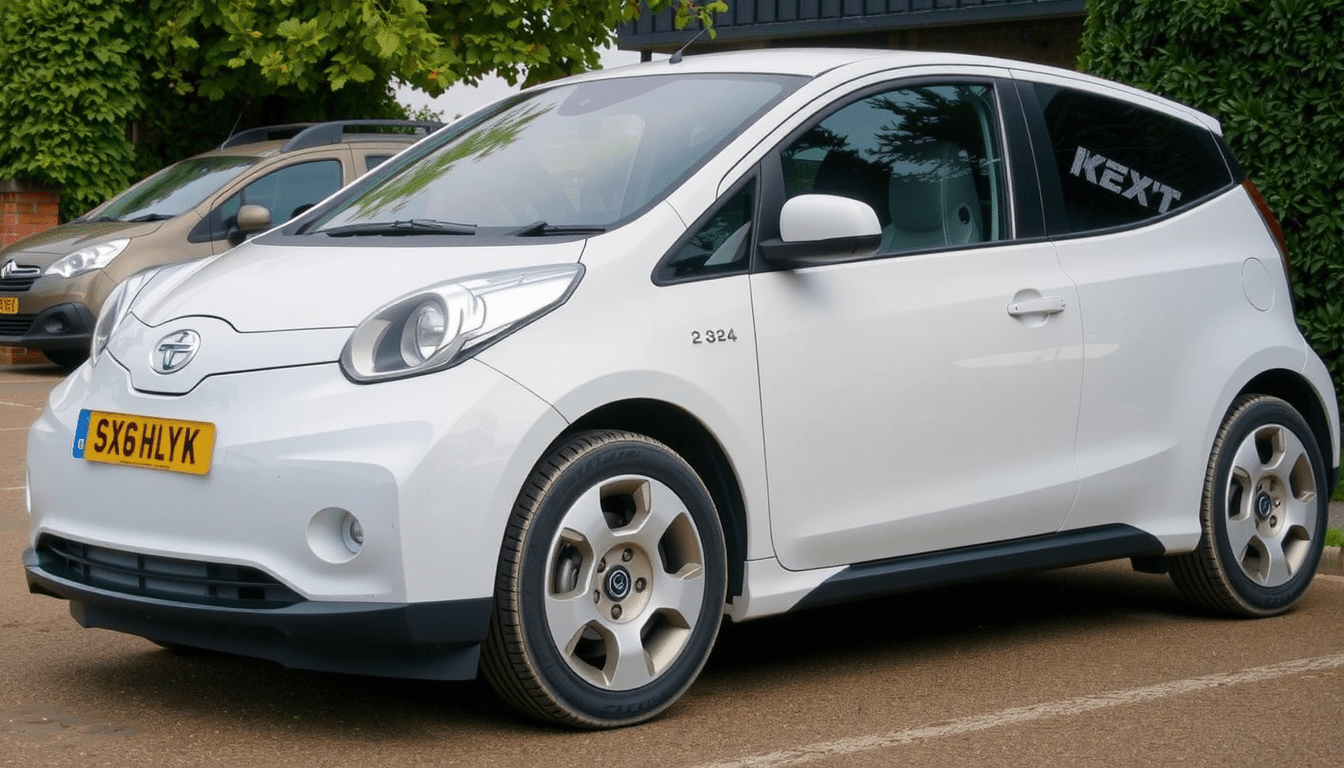
The Charging Infrastructure That Made EVs Practical
Spots leaped from 3,500 in 2016 to 52,000 by May 2026. More than 18,000 rapid chargers at 50kW or faster. Nearly everyone lives within five miles of a plug. EVs went from fantasy to fixture.
73% plug in at home. 1.2 million wallboxes speckle the land. A 7kW setup refills most packs overnight. Six to eight hours. Perfect for everyday miles. 27% squeeze into flats—London’s jam, Manchester’s hustle. Public grids save them. Motorway halts add 200-300 miles in 20-30 minutes. Long hauls? Suddenly simple.
Apps make it effortless. Instavolt. Gridserve. BP Pulse. Real-time maps. Simple payments. Route plotting. Instavolt ballooned from 10 spots in 2021 to 180 in 2025. Motorway heavy. Fixed £0.55 per kWh. No scavenging. Chargers alert your phone. Your car. Before you even arrive.
The Economics: Why Electric Cars Cost Less to Own
The numbers flipped hard. EVs outpace petrol and diesel within 4-6 years. Savings kick off with fuel.
Home electricity costs £0.08-£0.12 per mile. Petrol runs £0.14-£0.18. Over 12,000 miles yearly, stash £600-£1,200. Public fast chargers hit £0.12-£0.18. Blend them—EVs still win.
Forget oil changes. Fluid top-ups. Spark plugs. Timing belts. Regen braking handles 90% of stops. Pads endure three times longer. RAC data: Tesla Model 3 racks up £500 in five years maintenance. Petrol BMW 3 Series? £3,200. Tyres match gas cars. Nothing more.
Road tax softened. Pre-April 2025, EVs owed nothing. Now £190 first year, £165 after. Half the petrol hit. London ULEZ waves EVs through free—saving £15 daily, £5,475 annually. Manchester, Birmingham, Leeds match the perk.
Insurance leveled off. Once 15-20% higher. Tesla Model 3 and Nissan Leaf now 5-8% below gas peers. Smoother repairs. Fewer wrecks. Ditch a £35,000 petrol ride for electric. Bank £8,000-£12,000 over six years.
Environmental Consciousness and Regulatory Momentum
Net-zero etched into law by 2050. No new petrol or diesel after 2030. Hybrids linger to 2035. The message rang loud. Gas engines dimmed. Buyers sensed the tide.
68% chose EVs for planet perks. Polls confirm it. Power grid greens up—47.6% renewable in 2024, 60% by 2030. EVs slash lifetime emissions 50-70% below petrol.
Corporations charged first. BT Group. Unilever. Tesco. Full electric fleets targeted for 2030. Half done by 2026. Stations multiplied. Used car lots brimmed. Employees parked EVs daily. Normalcy spread. Resistance crumbled.
Performance and Driving Experience That Surprised Skeptics
Doubters test drive once. They’re caught. Torque slams in. Tesla Model 3 Performance blasts 0-60 in 3.1 seconds. Porsche 911 territory. For less cash. The thrill redefined roads.
Regen recaptures energy on decel. One pedal mastery. Range boosts 5-10%. Urban slogs soothe. No clunky shifts.
Low center of gravity bites corners. Porsche Taycan. Mercedes EQS. BMW i7. They dance. Hyundai Ioniq 5 and Kia EV6 join at sane prices. Gas cars lag far behind.
Quiet reigns. No engine growl. Just wind and rubber hum. No shakes. Forty-five minute commutes? Zen bliss. Beyond measure.
The Network Effects That Create Unstoppable Momentum
The snowball rolled. Sales bred chargers. Chargers bred sales. The cycle roared louder.
Options exploded. Thirty models in 2018. Over 150 by May 2026. From city zippers to SUV bruisers. Trades vans like Ford e-Transit haul same cargo, save £8,000 fuel yearly. Families covet Kia EV9’s seven seats, ID.Buzz’s retro charm, MG4’s snug hatch.
Dealerships got savvy. Ford. VW. BMW. Mercedes. EV specialists. Trained crews. Seamless buys. Hassle-free ownership.
Resale values stuck firm. Three-year EVs hold 55-65%. On par with petrol. Trending higher. Hesitation? History.
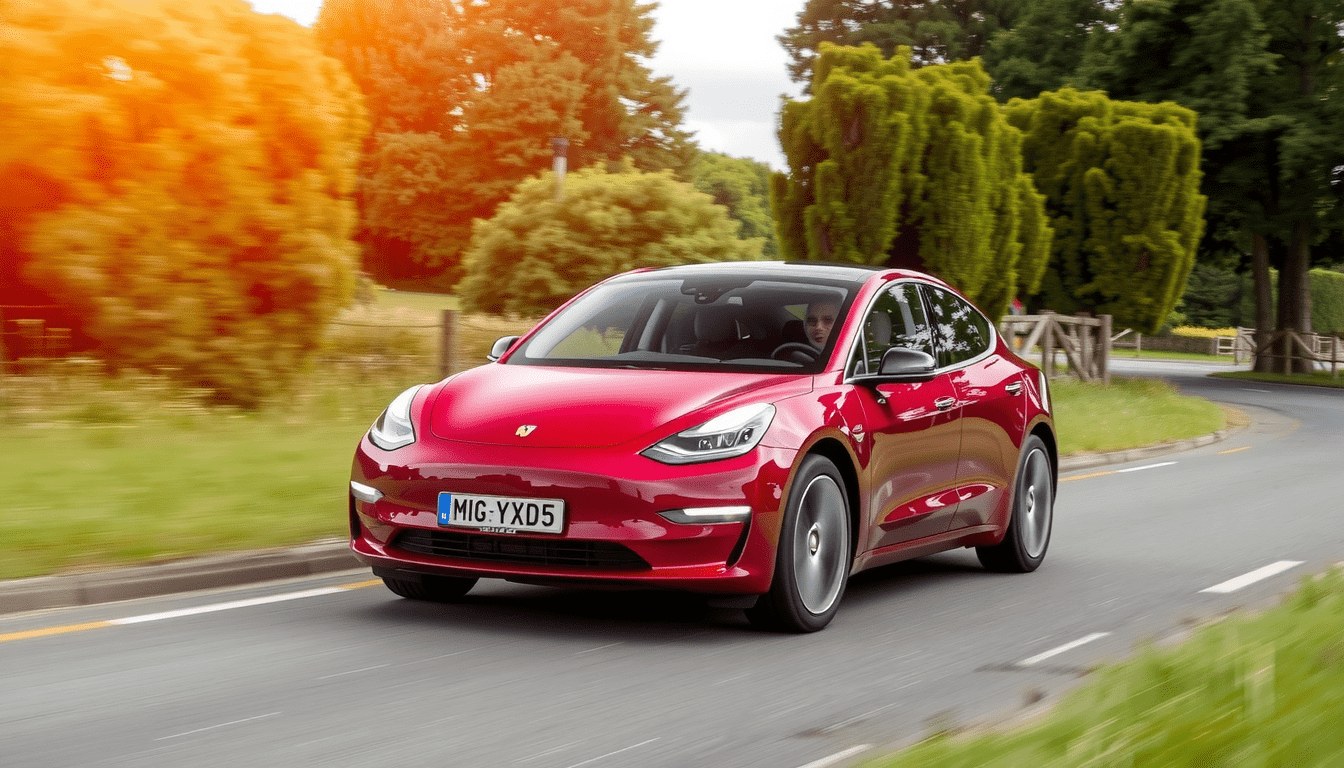
The Path Forward for Britain’s EV Market
The turning point arrived. EVs morphed from quirks to essentials. Batteries conquered distance and cost. Plugs blanketed the map. Bills favored electric. Laws paved the way. Drives outshone the old guard. No subsidies required. EVs triumphed outright.
2030 nears. Petrol and diesel sales banned. EVs snag 80-90% of new sales. Refuel as quick as gas. Choices boil down to flavor. Five years ago, the EV market Britain looked remote. Locked in now. Flat-out better. Drivers voted with their keys. Streets transformed. Grids rewired. Auto world upended. Ripples for ages.